


Equipment maintenance is an essential step to success.
The winter season can, however, complicate maintenance, creating unexpected breakdowns or additional labor if equipment is not properly maintained.
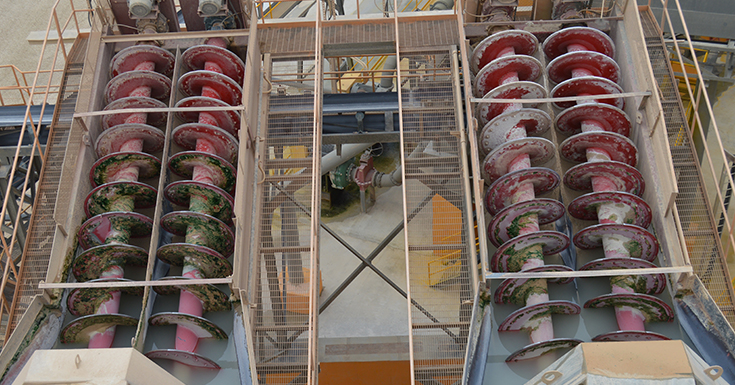
Washing and classifying equipment is especially susceptible to winter complications, as water can freeze and, in turn, damage equipment in a number of ways.
Where to begin
While all operations are unique, varying in size and the seasons in which they operate, one panacea for producers and contractors everywhere is to start by removing all standing water from equipment before shutting down.
“The No. 1 thing, since you’re dealing with a water-based system, is you’re going to want to drain the water out of the lines,” says Sean O’Leary, North American customer care manager at CDE, who also is a certified maintenance reliability practitioner. “Drain the water, because we don’t want anything to freeze and crack.”
After all standing water is removed and can no longer gather or pool up, consider related components around your equipment.

“Make sure all of your electrical components and your wire leads are covered up,” says Alan Bennetts, global product manager at McLanahan Corp. “You don’t necessarily think about it, but water can get into those junctures, and it may not do any damage because of the water. But because of the freezing it can start breaking some of the fastenings in those situations. So always make sure your electrical components are going to be protected over the winters, or you come in the following spring and all of a sudden you’re replacing electrical components. They’re not cheap, and it’s definitely an ‘unexpected’ breakdown.”
Proactive planning
Beyond removing any standing water, maintenance solutions vary based on an operation’s specific needs or goals.
“It’s not a situation where I can go in and you can pick one of these three models and it will work,” O’Leary says. “What’s the constitution of the material? What are the unique challenges of it? So, unfortunately, there’s no real cut-and-dry ‘just buy Package A and you’re good to go.’”
It’s also important to be mindful of thickeners that can be impacted by lower temperatures.
“When it gets cold, you start to have issues with thickeners,” O’Leary says. “So you’ve got a large body of water and you can get skim ice over the top and a thickening of the sludge, which can cause an increase in drive-torque to mix it. But once it starts rolling, there’s really no issues there.”
It’s also important to keep in mind that any maintenance you do – or don’t do – will have a downstream effect on your operation at one point or another.
“The main thing when you’re shutting down is just making sure that everything is prepared; that you have a checklist, take care of everything you need to do, because how you shut down is going to affect how you start up,” Bennetts says. “Depending on where you’re at, especially in the colder areas, shutting down improperly can leave sand and water in the equipment, and that can cause damage as it expands because of the freezing of the water itself.”
Photo: Portable Plants Staff